Does My Islington Property Need a Rental Licence?
Islington landlords: find out if your property is in a selective or additional licensing area. Includes scheme dates, fees, and how to apply for a licence.
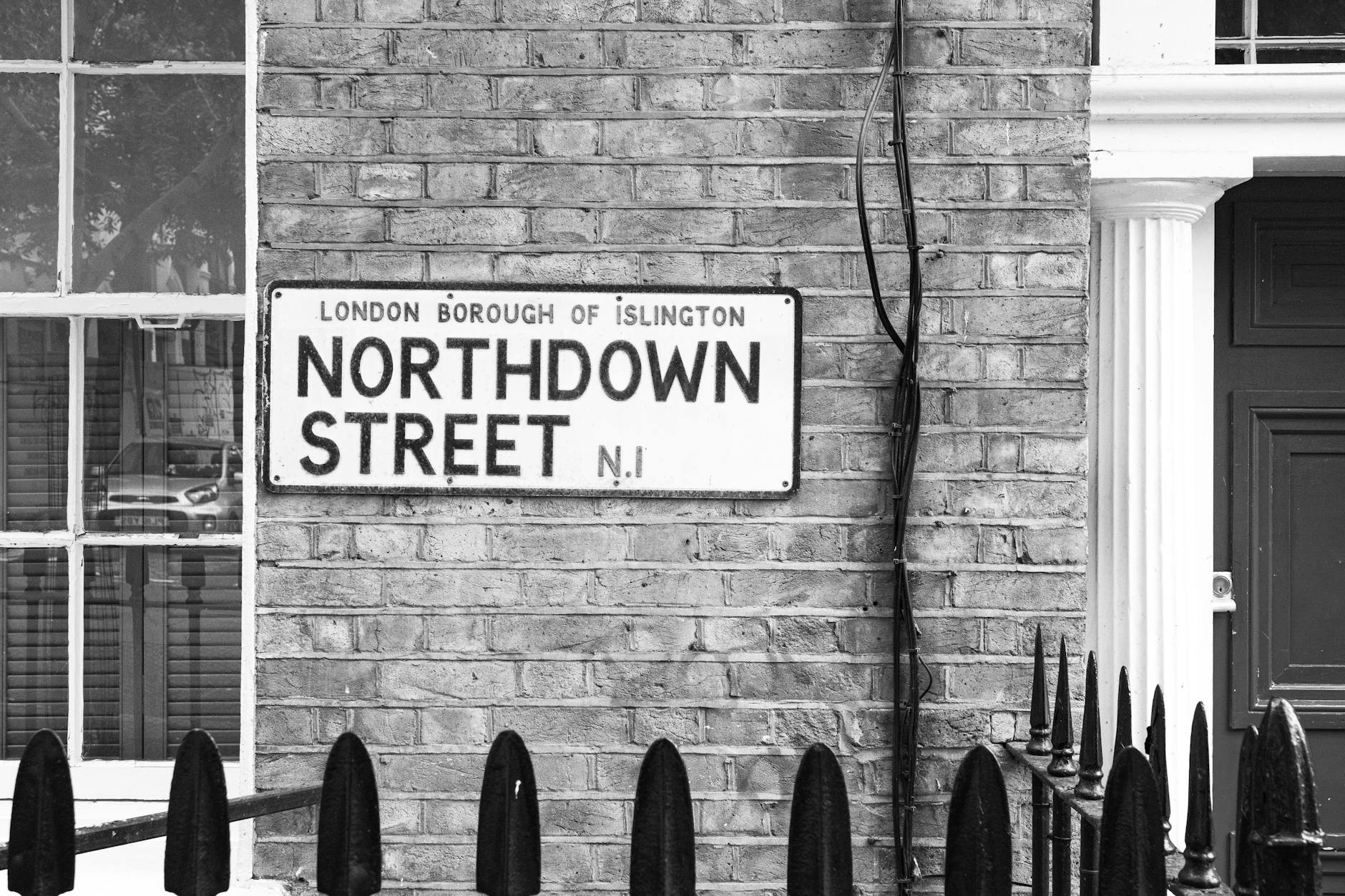
Photo: Photo on Pexels
Last updated:
Islington is a central north London borough with a large private rented sector. The borough covers areas including Angel, Highbury, Holloway, Finsbury Park, and Archway, all of which have significant concentrations of privately rented properties. Islington has been active in using licensing powers to improve standards in the private rented sector.
Selective licensing in Islington
Islington Council operates a selective licensing scheme covering privately rented accommodation occupied by a single household or two unrelated people. The scheme applies to designated areas within the borough and requires landlords of qualifying properties to obtain a selective licence.
The selective licensing scheme is designed to address issues such as poor property management, anti-social behaviour, and below-standard housing conditions. Landlords who rent out properties in the designated areas without a licence face civil penalties of up to £30,000.
Additional licensing for HMOs in Islington
Islington also operates an additional licensing scheme for HMOs occupied by three or more people forming two or more households. This scheme covers a wider range of shared properties than mandatory licensing alone and applies across designated parts of the borough.
Landlords of shared houses and flats with three or four occupants should check whether their property falls within the additional licensing designation and whether a licence is required.
Mandatory HMO licensing
Properties in Islington occupied by five or more people forming two or more households, with shared facilities, are subject to mandatory HMO licensing under national legislation. This requirement applies across the whole borough.
How to apply
Licence applications in Islington are made through the council's online portal. For current information on designated areas, licence fees, and conditions, visit the London Borough of Islington private rented sector licensing page.
---
This page was researched and written by the Tuxa editorial team. Our data is sourced directly from local authority websites, MHCLG scheme designation orders, and the National Residential Landlords Association (NRLA). We update our content when councils announce new schemes or enforcement actions. If you spot an error or out-of-date information, please contact us.
Last reviewed: March 2026
Related Guides
Quick facts
- Typical licence fee
- Additional HMO licence: £900 plus £100 per bedroom; Selective licence: £850 per property
- Apply for a licence
- Council application portal
Frequently asked questions
Licensing data sourced from individual council websites and the MHCLG licensing register. Last verified: . Always confirm current scheme status with the council directly before making licensing decisions.
Licensing guides
Does my rental property need a licence?
Find out whether your property needs a selective, additional or HMO licence.
What is selective licensing?
How selective licensing works, which councils operate schemes, and who needs a licence.
What is HMO licensing?
Mandatory HMO licensing explained: who it applies to and how to apply.
Related articles
HMO Room Size Requirements: The 6.51 Square Metre Rule Explained
HMO licences require minimum room sizes: at least 6.51 square metres for a single adult. This guide explains the rules, how to measure correctly, and what happens if a room is too small.
How to Apply for a Selective Licence: Step-by-Step Guide
A practical step-by-step guide to applying for a selective licence, including what documents you need, how much it costs, how long it takes, and what happens if your application is refused.
Renters' Rights Act 2025: What It Means for Property Licensing
The Renters' Rights Act 2025 is the most significant reform to the private rented sector since the Housing Act 2004. This guide explains what changed for property licensing, penalties, and landlord obligations.
We use cookies
Tuxa uses a strictly necessary session cookie to keep you logged in. We also use Umami Analytics — a privacy-friendly, cookie-free tool that collects no personal data. Privacy & Cookie Policy